

Could a planet be made entirely of diamonds? (Exoplanet 55 Cancri e).
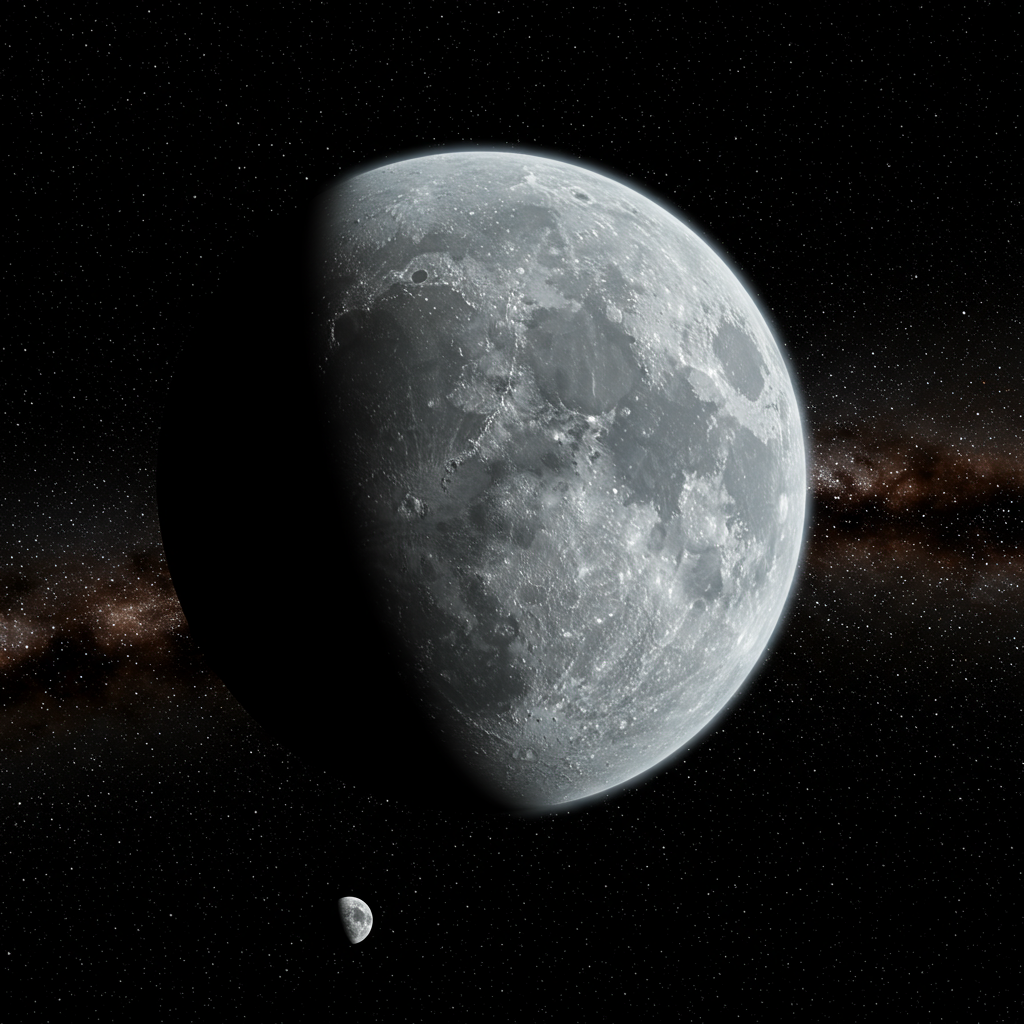
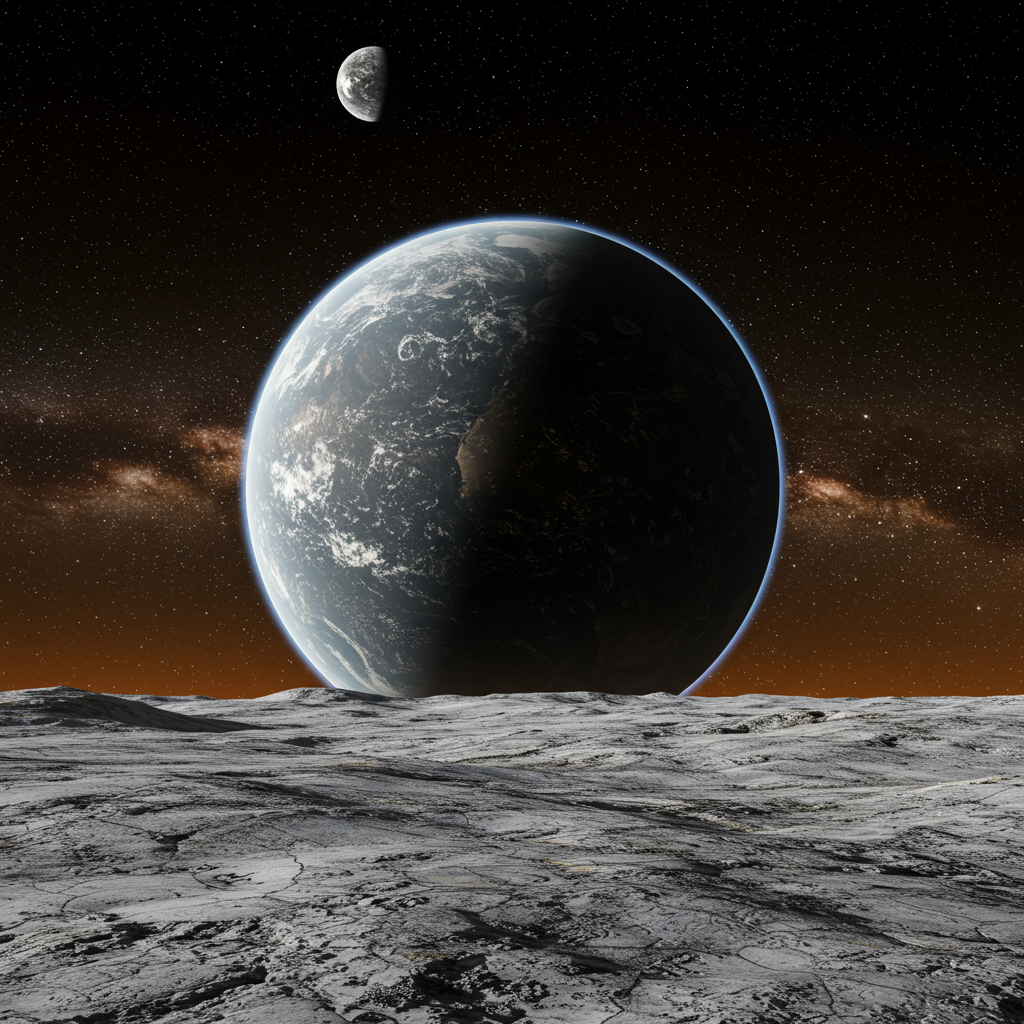
Imagine a planet made entirely of diamonds! Exoplanet 55 Cancri e, 40 light-years away in the constellation Cancer, is a leading candidate for this title. This super-Earth, only twice the …
Why recommended
- A Documentary short rated 9.3 — easy to watch in 1m.
Watch Options
Description
Imagine a planet made entirely of diamonds! Exoplanet 55 Cancri e, 40 light-years away in the constellation Cancer, is a leading candidate for this title. This super-Earth, only twice the size of our own, could be incredibly precious.
Discovered in 2004, 55 Cancri e is a "super-Earth," roughly twice the size of our planet and eight times more massive. The Spitzer Space Telescope helped refine the data in 2012: it is incredibly dense and hot, orbiting the star 55 Cancri A.
Why diamonds? 55 Cancri e is thought to be rich in carbon but poor in oxygen. Under enormous pressure and a surface heated to 2,700°C, the carbon crystallizes. These conditions are ideal for the formation of a graphite mantle and enormous diamond deposits.
Unlike Earth, whose mantle is predominantly silicate, 55 Cancri e has a carbon mantle. It orbits the star 55 Cancri A incredibly quickly: it takes just 18 hours to complete a full orbit. This extreme proximity maintains temperatures ideal for diamond formation.
Of course, the "diamond planet" theory still needs confirmation. Future spectral analyses of its atmosphere using the James Webb Space Telescope will provide a definitive answer. This will help us understand how common such exotic worlds are in the Universe.
Stills



Director
On a palm Studio
Cast
AI Narrator
Movie Details
Tags
Similar Movies

What does "Wealth" smell like (household life hacks).

theatre-productions-en

The most expensive product in the supermarket per unit of weight (spoiler: not caviar).

Why do the Finns need a word that means "to sit in the snow by accident?"

How to get rid of moths in cereals (bay leaf).

How the brain "reboots" when you stare at one point.
A peregrine falcon diving for prey can reach speeds of up to 320 kilometers per hour!