

How to “turn on” your brain in the morning in 1 minute (breathing through one nostril).
Want to start your day with peak focus in just one minute? Ancient yoga texts, such as the 11th-century Hatha Yoga Pradipika, describe breathing techniques that can instantly activate the …
Why recommended
- A Documentary short rated 8.8 — easy to watch in 1m.
Watch Options
Description
Want to start your day with peak focus in just one minute? Ancient yoga texts, such as the 11th-century Hatha Yoga Pradipika, describe breathing techniques that can instantly activate the brain and boost productivity.
One of them is single-nostril breathing, known as Surya Bheda Pranayama. It stimulates the sympathetic nervous system. Masters such as Swami Sivananda (1887-1963) taught that breathing through the right nostril ("Surya Nadi") awakens the mind and energizes.
Modern research confirms these observations. Dr. David Shannahoff-Khalsa of the University of California, San Diego, studied the connection between the nostril cycle and the brain's hemispheres. Breathing through the right nostril activates the left hemisphere, which is responsible for logic and analysis.
A 1994 study published in the International Journal of Neuroscience by researchers at the University of California, San Diego, found that ten minutes of breathing through the right nostril significantly improved verbal test scores, raising attention levels by 30%.
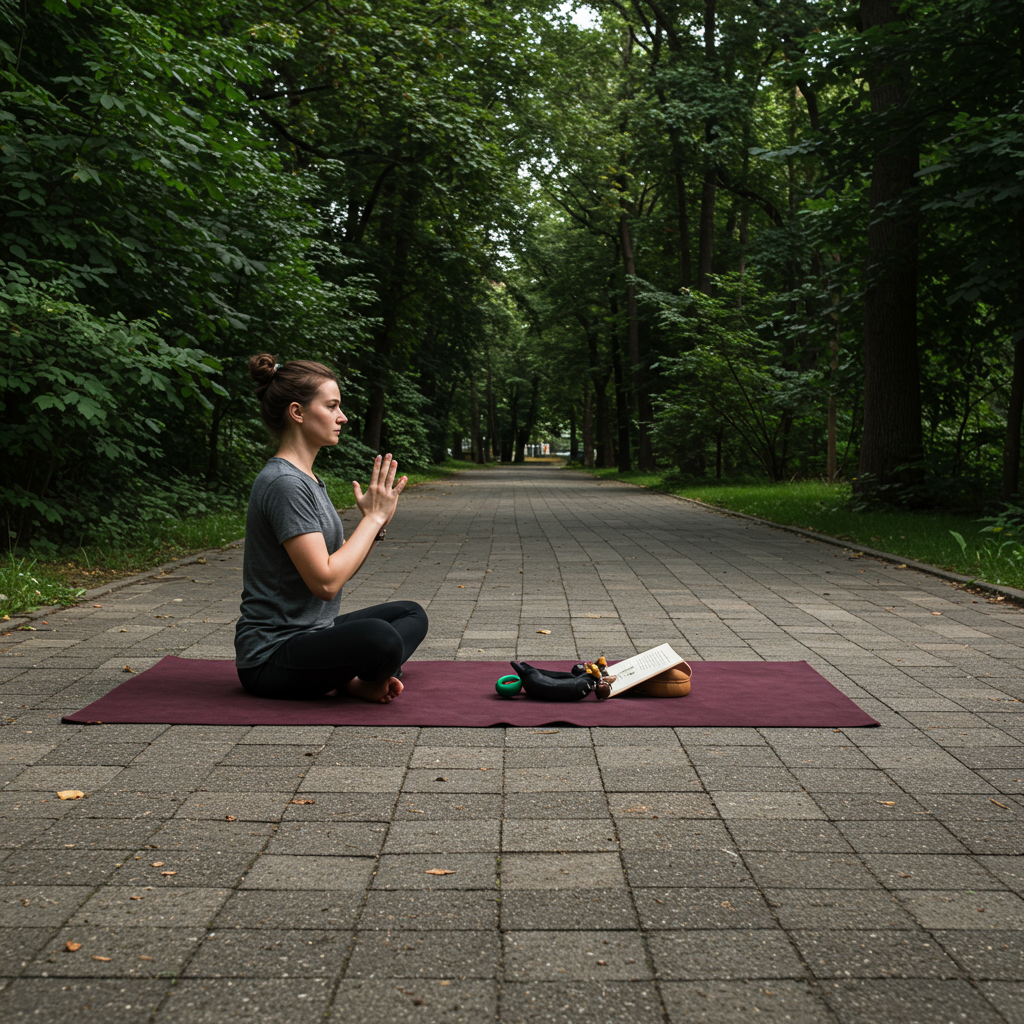
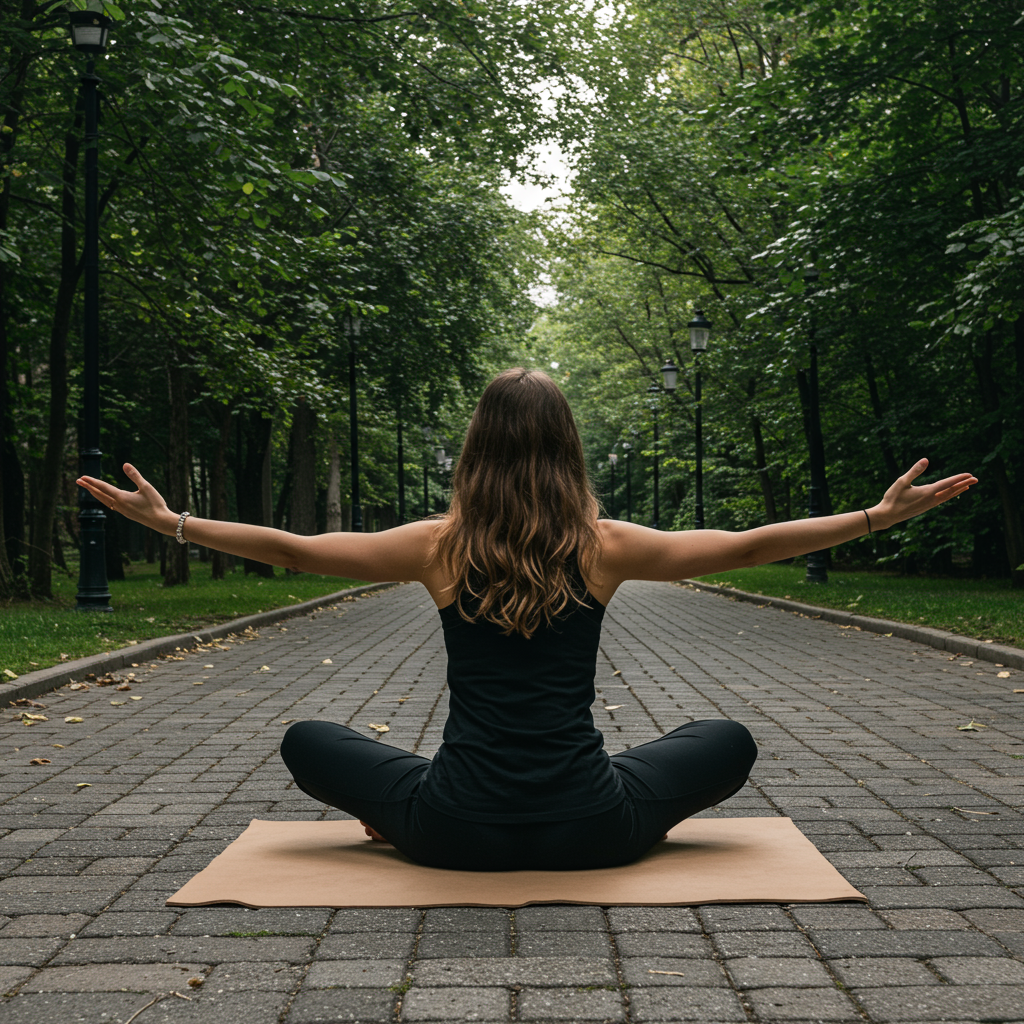
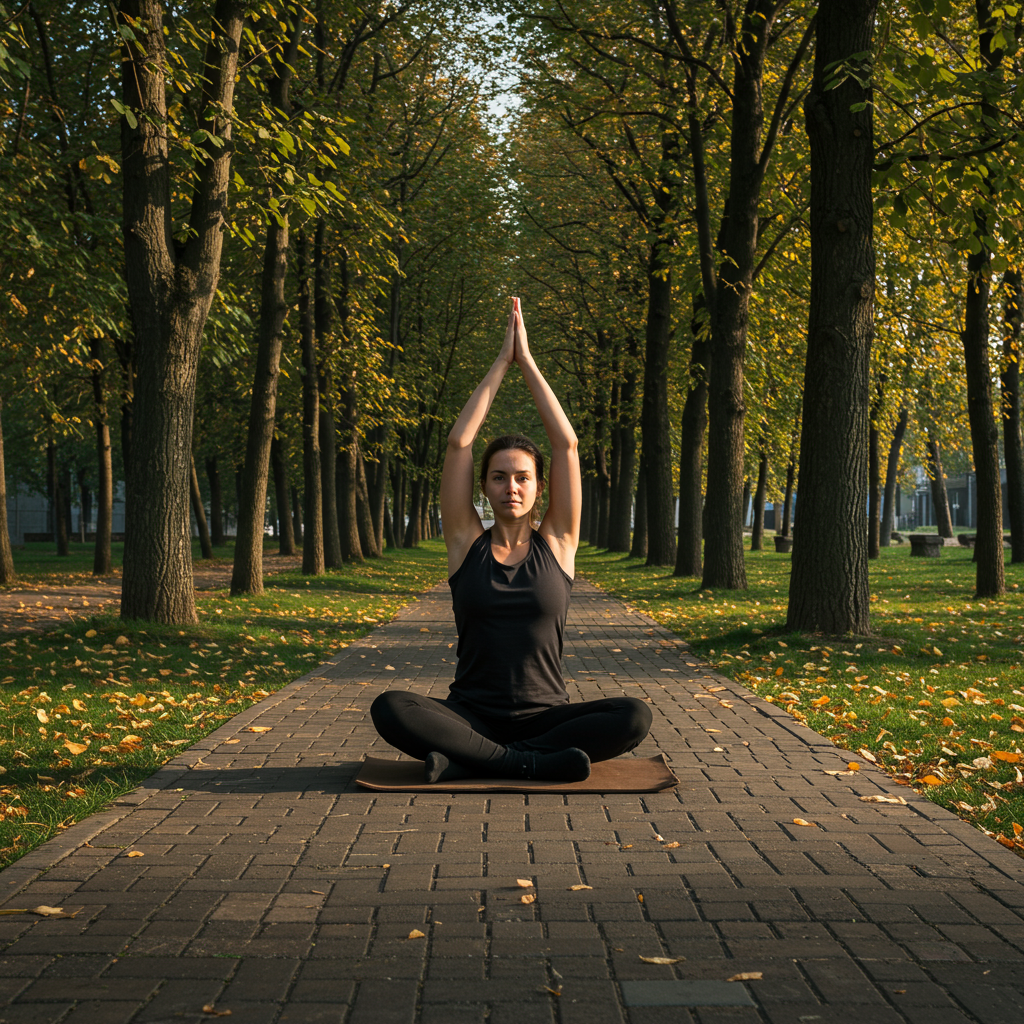
Just one minute of this practice in the morning can improve your productivity throughout the day. Try it: close your left nostril and take 10-15 deep breaths through your right nostril only. Feel your brain switch on!
Stills


Director
On a palm Studio
Cast
AI Narrator
Movie Details
Tags
Similar Movies

What does "Wealth" smell like (household life hacks).
Find the odd one out in 3 seconds (video sequence).

Top 7 Phrases You Should Never Say to Children

3 Signs of Dehydration Besides Thirst.

Why put your keys in the freezer? (useful life hack).

The Perfect Toast: Temperature and Time (The Scientific Approach).

Why do we forget why we entered a room (the doorway effect).