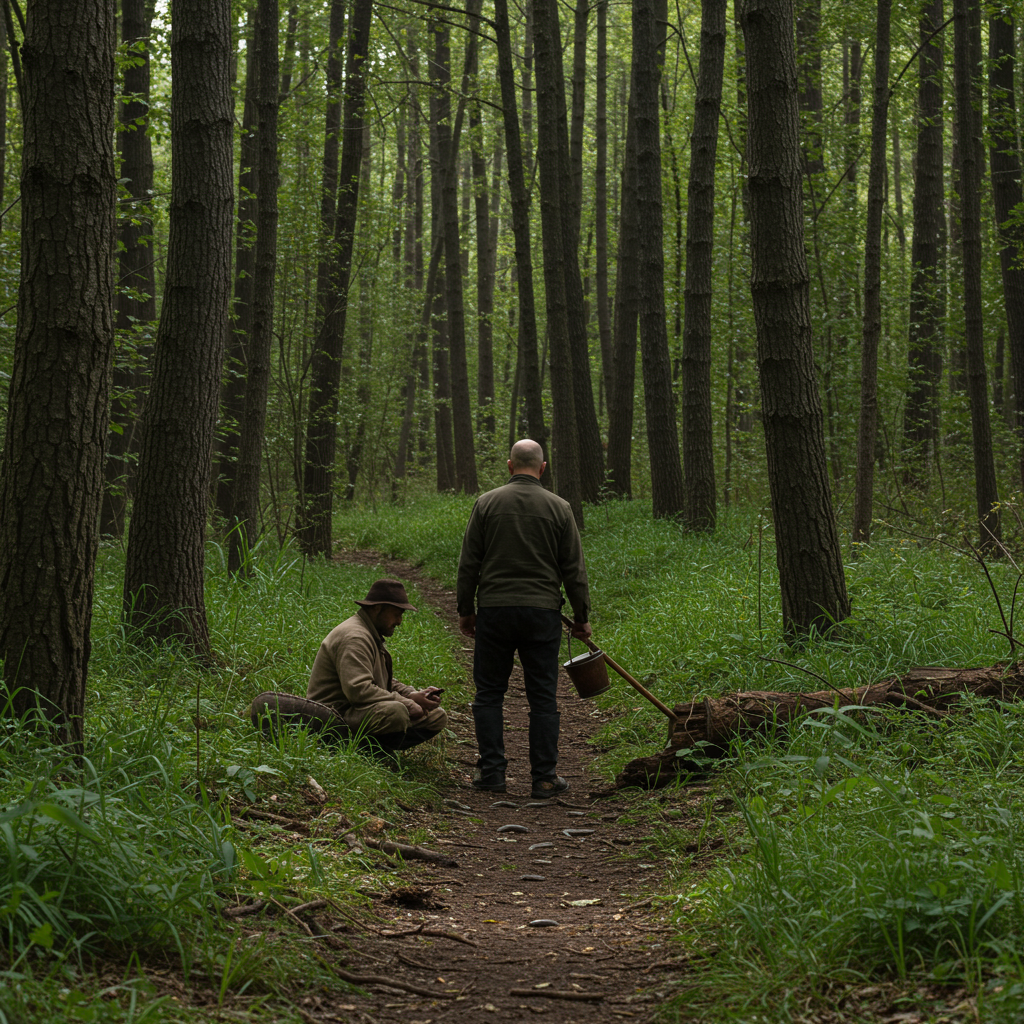
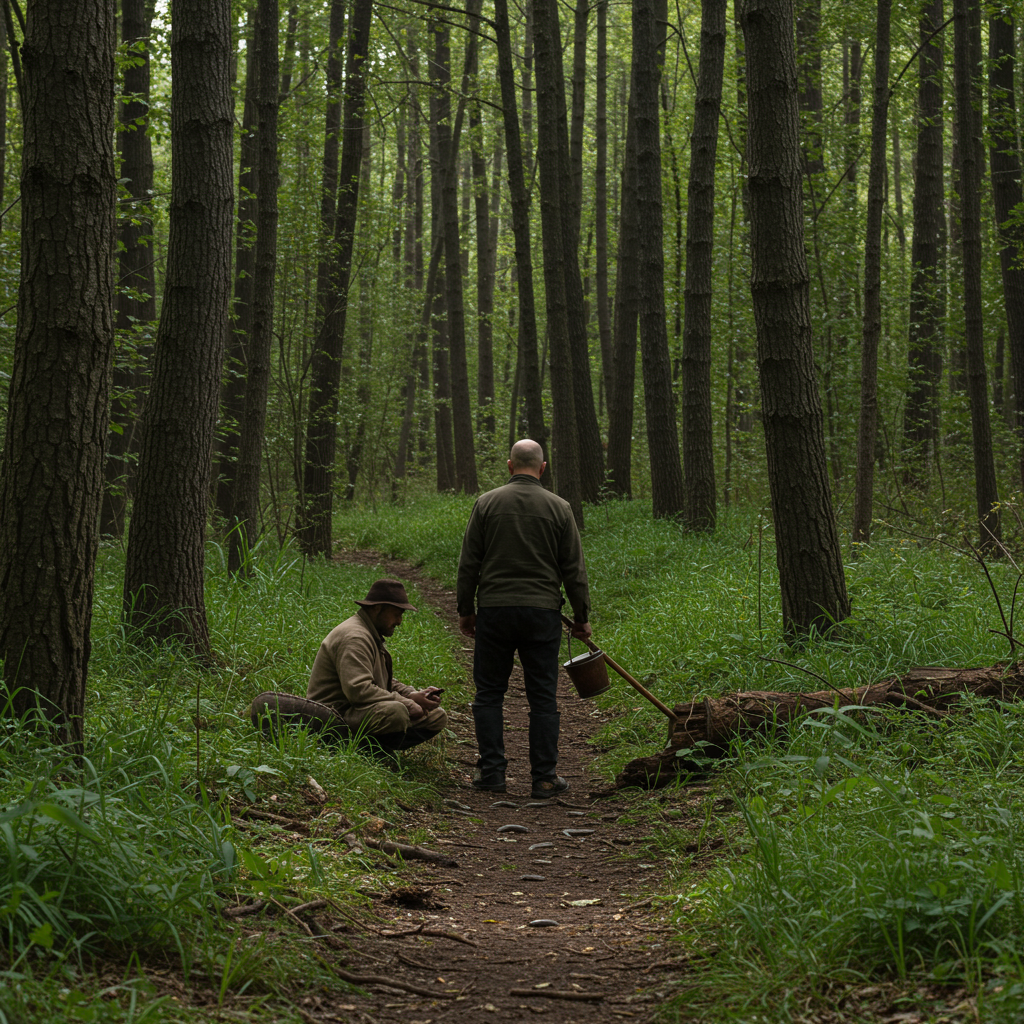
Why were leech hunters needed in the Middle Ages?
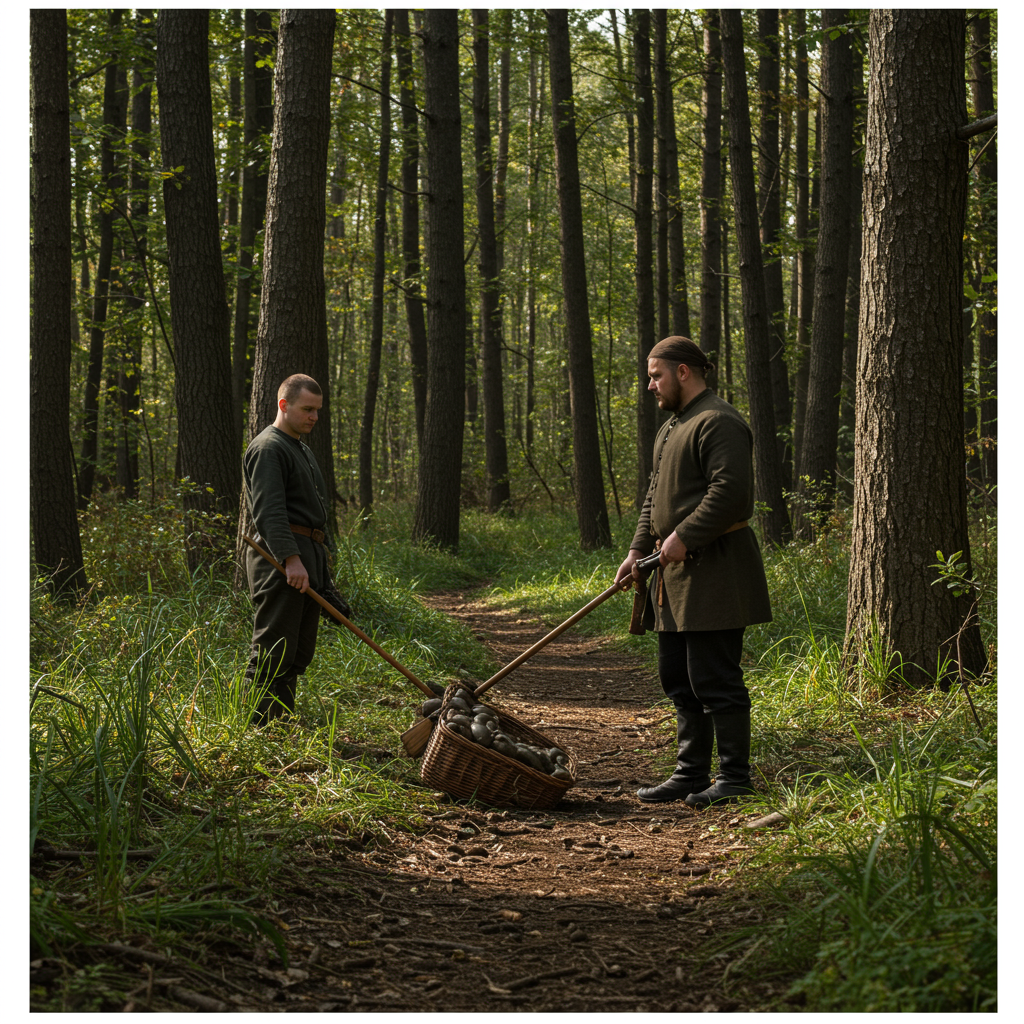
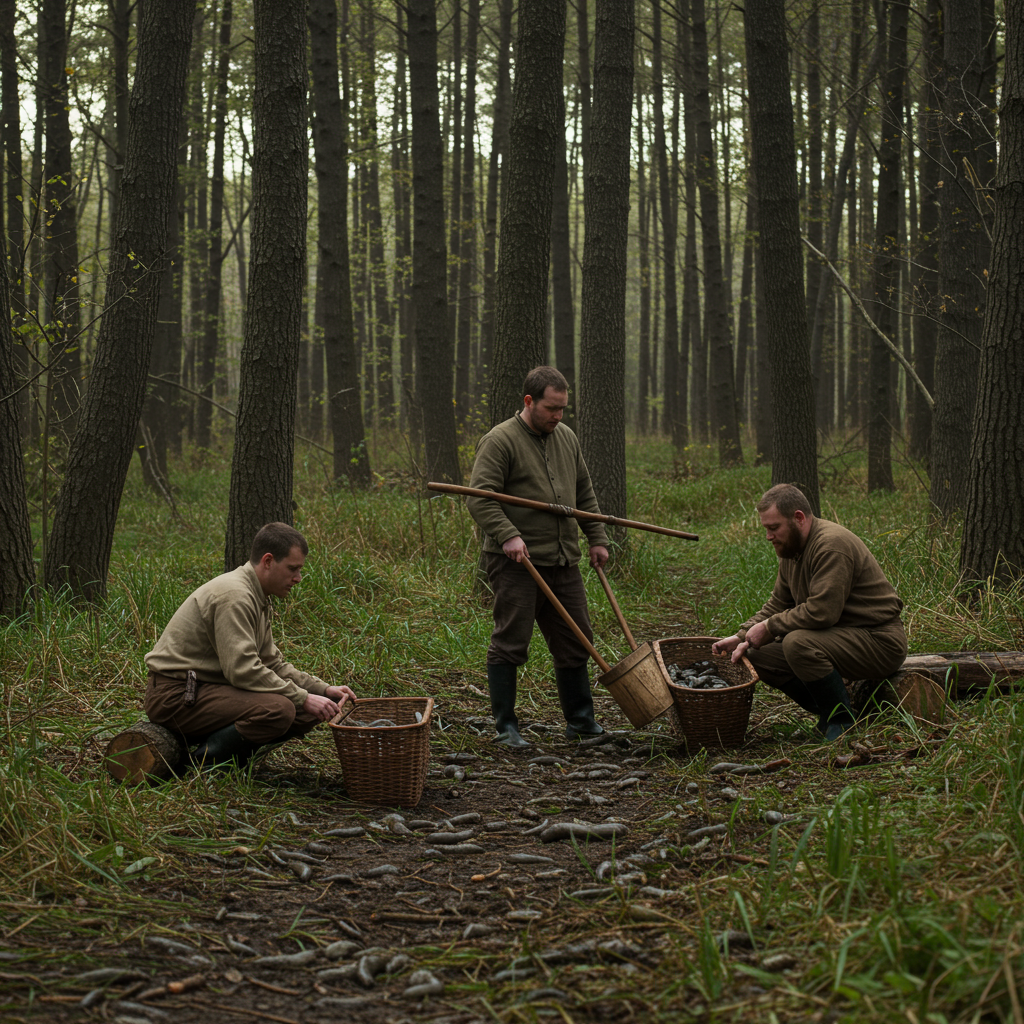
Can you imagine a profession that required wandering through swamps using your own feet as bait? In the Middle Ages and later, leech hunters were indispensable. It was a difficult, …
Why recommended
- A Documentary short rated 9.0 — easy to watch in 1m.
Watch Options
Description
Can you imagine a profession that required wandering through swamps using your own feet as bait? In the Middle Ages and later, leech hunters were indispensable. It was a difficult, dangerous craft, necessary to meet the enormous medical demand.
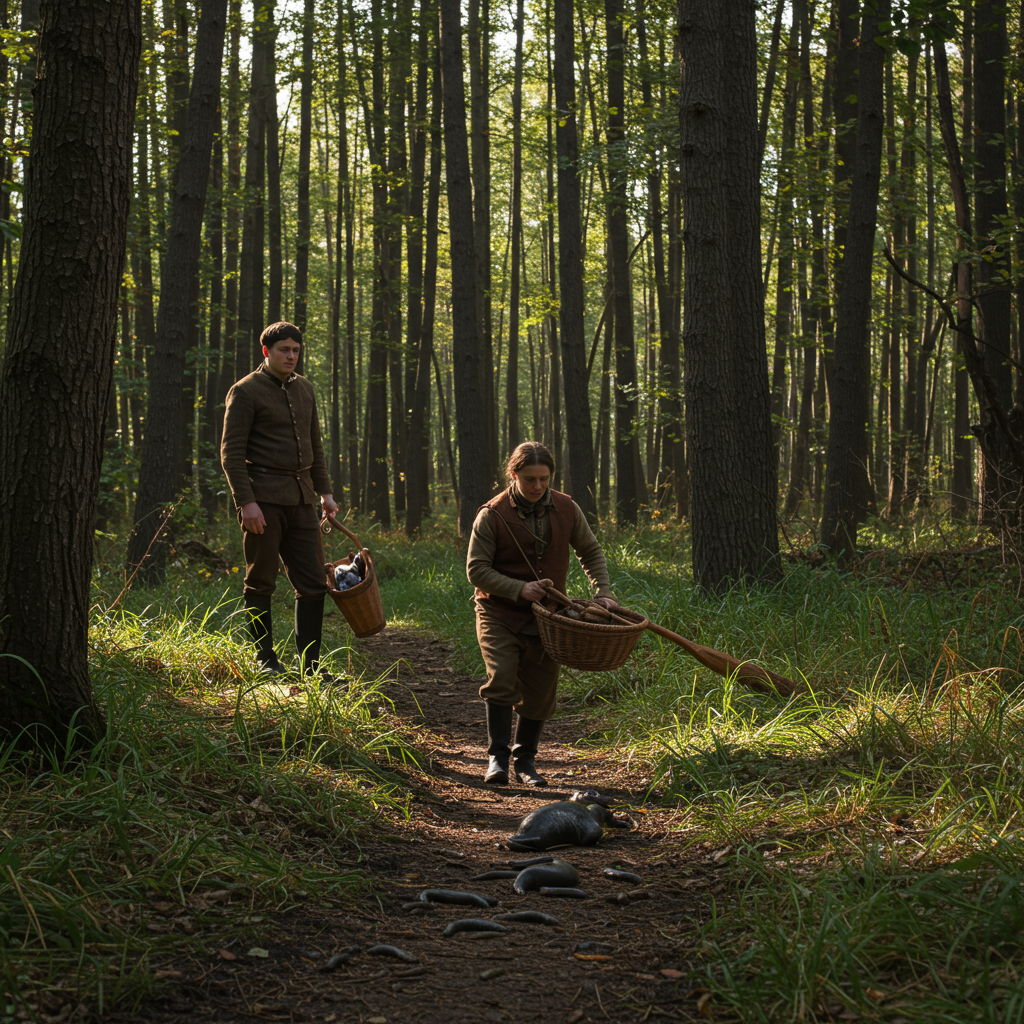
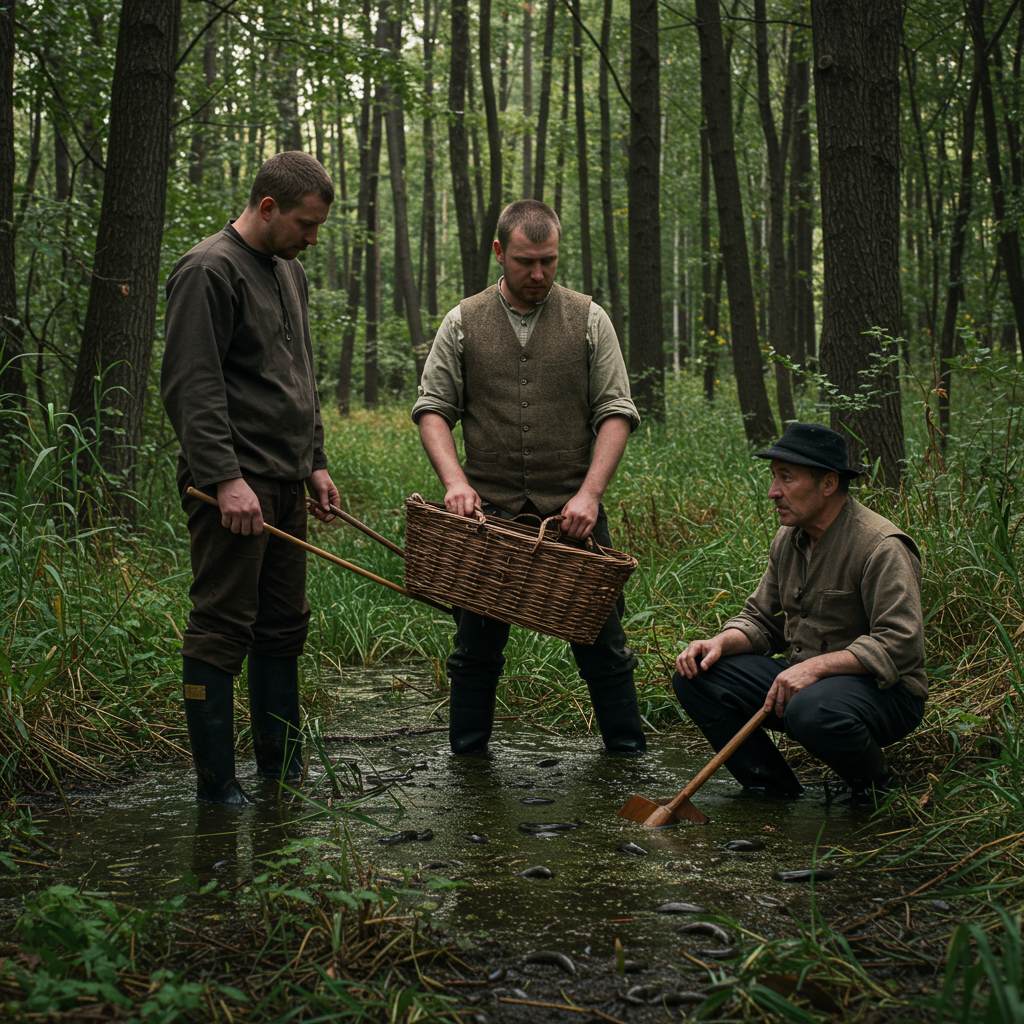
These people, often poor, dipped their bare feet into the filthy waters, waiting for the hungry Hirudo medicinalis to attach themselves. A single collector could collect hundreds of leeches daily, which were then sold to doctors and apothecaries across Europe, from England to Russia.
The reason for the enormous demand lay in the then-prevalent theory of humoral balance. Diseases were believed to be caused by an excess of "bad blood." Leech bleeding was the primary treatment for a variety of ailments, from headaches to fever.
Life for hunters was terrible. They suffered from anemia, infections, and parasites. In the 18th century, when demand for leeches peaked, it led to the extinction of some species in regions, such as France, due to overharvesting.
Consumption peaked in the 19th century. In 1833, France, for example, imported 41 million leeches. Their medicinal popularity waned by the early 20th century, but today Hirudo medicinalis is used in microsurgery to improve blood flow after tissue transplants.
Stills

Director
On a palm Studio
Cast
AI Narrator
Movie Details
Tags
Similar Movies

Why do the Finns need a word that means "to sit in the snow by accident?"
How to get rid of moths in cereals (bay leaf).

A peregrine falcon diving for prey can reach speeds of up to 320 kilometers per hour!

How to clean a pomegranate without an apron and splashes (under water).

the invention of clothing

The shortest word in the Russian language with three "e"s in a row (zmeeeed).
Top 5 Most Poisonous Houseplants