soap making
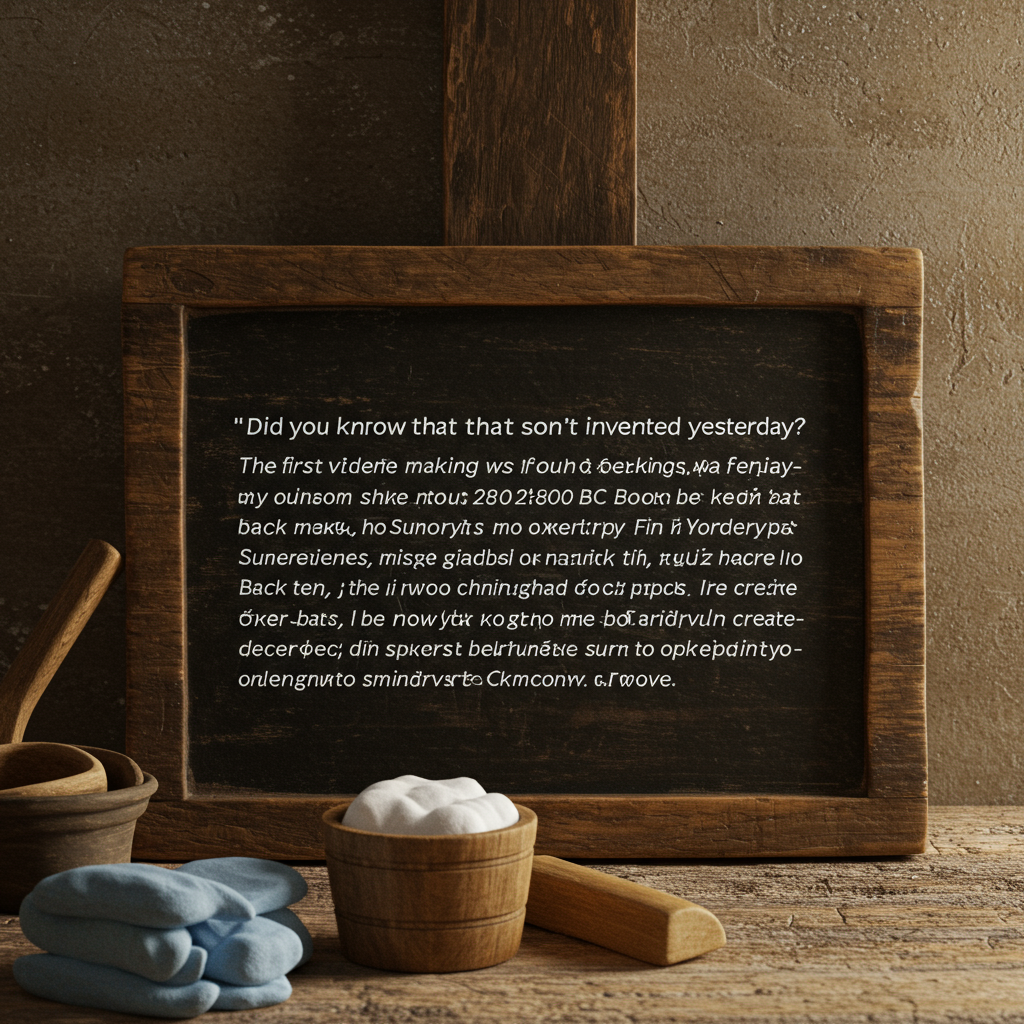
Did you know that soap wasn't invented yesterday? The first evidence of soap making was found in Ancient Babylon around 2800 BC. Back then, the Sumerians mixed animal fat with …
Why recommended
- A Documentary short rated 8.7 — easy to watch in 1m.
Watch Options
Description
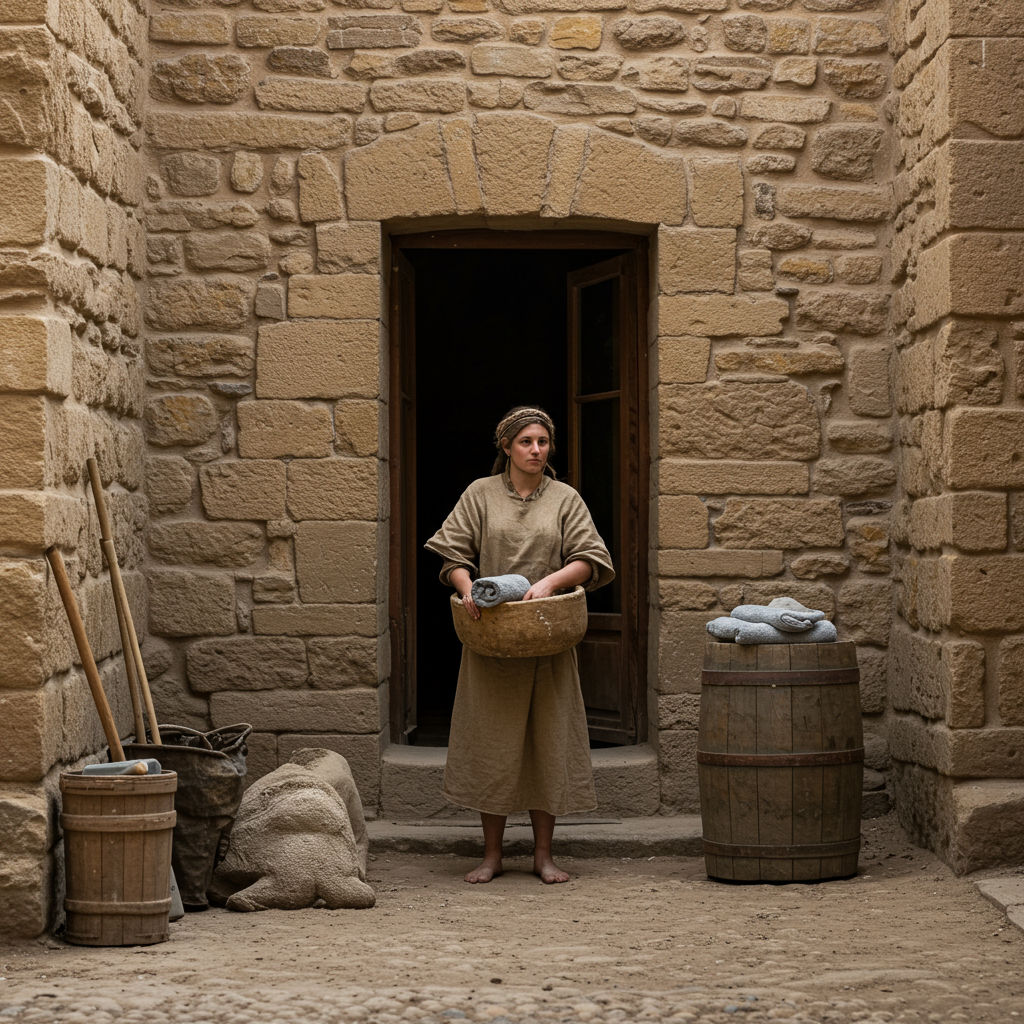
Did you know that soap wasn't invented yesterday? The first evidence of soap making was found in Ancient Babylon around 2800 BC. Back then, the Sumerians mixed animal fat with wood ash to create a detergent similar to today's.
In Egypt, around 1550 BC, the Ebers Papyrus described a combination of vegetable and animal oils with alkaline salts for ablution. In the first century, the Roman historian Pliny the Elder mentioned how the Gauls made soap from tallow and ashes for hair.
The true heyday of soapmaking came in the Middle Ages. In the 12th century, the famous Marseille soap appeared in France. Minister Colbert legislated its composition in 1688: no less than 72% olive oil.
The Industrial Revolution changed everything. In 1791, French chemist Nicolas Leblanc developed a process for producing soda, making alkali readily available. This significantly reduced the cost and scale of soap production, making it widely available.
Today, the global soap market is valued at over $20 billion. From simple bars to handmade soaps infused with essential oils like lavender or tea tree, soapmaking continues to evolve. Maybe you'll try making your own?
Stills
Director
On a palm Studio
Cast
AI Narrator
Movie Details
Tags
Similar Movies
Sing a song by lips (without sound).
How the brain "reboots" when you stare at one point.

What happens if you send "" into space? (History).

Sea creatures living at great depths

How cheating in single-player games improves mental health.

the largest animals
How "calculators" worked before the invention of computers (human calculators).