

Why did kings need a "poison taster" and not just a food taster?
Ancient rulers, like the Roman emperor Claudius, feared more than just stale food. The real threat lurked in poison. A food taster, sometimes a slave, saved the monarch's life at …
Why recommended
- A Documentary short rated 9.7 — easy to watch in 1m.
Watch Options
Description
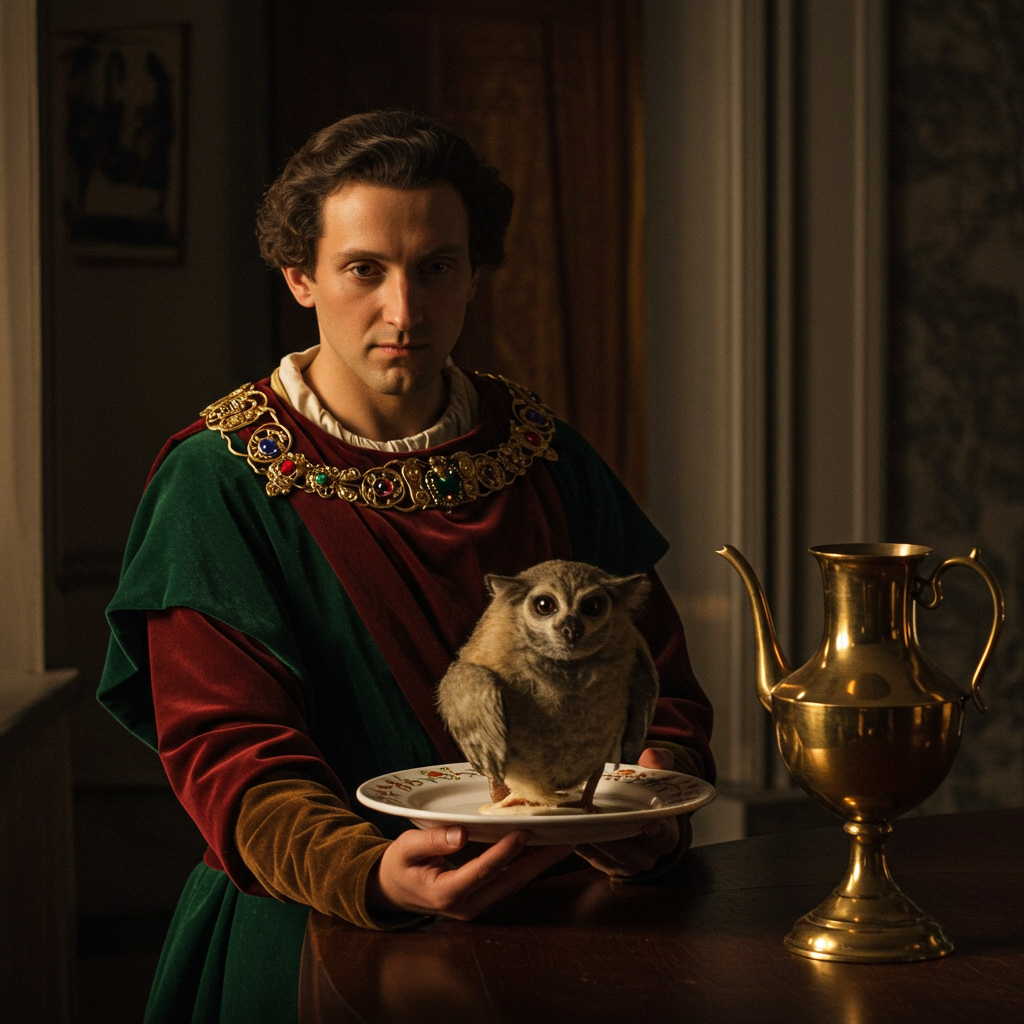
Ancient rulers, like the Roman emperor Claudius, feared more than just stale food. The real threat lurked in poison. A food taster, sometimes a slave, saved the monarch's life at the cost of his own. Kings, like Louis X of France, who died in 1316, still fell victim to carefully orchestrated poisonings.
In 54 BC, Claudius was allegedly poisoned by his wife Agrippina via mushrooms. His taster, the eunuch Galoth, may have been involved. Around 30 BC, Queen Cleopatra tested poisons on her slaves, seeking the quickest and most painless ways to end life.
During the Renaissance, particularly in 15th-century Italy, poisons became more sophisticated. The Borgia family, including Pope Alexander VI and Cesare, was renowned for its use of arsenic, known as cantarella. A poison taster couldn't always identify the tasteless and slow-acting poisons, making their role even more dangerous.
The risk wasn't limited to food. There were cases of poisoned clothing, books, and even candles. For example, in 1723, the French philosopher Voltaire received a poisoned book, which he refused to read. A taster guaranteed not only the absence of poison but also the loyalty of the court.
Today, world leaders, including the US president, have their meals carefully inspected. After John F. Kennedy's assassination in 1963, the Secret Service tightened security protocols. The threat remained real; only detection methods changed, but the principle of preserving the leader's life remained unchanged.
Stills




Director
On a palm Studio
Cast
AI Narrator
Movie Details
Tags
Similar Movies

The most expensive product in the supermarket per unit of weight (spoiler: not caviar).

Mexican cuisine

Guinness Book of Records

Spaghetti shouldn't be broken—that's what happens when you fan it out.

What did a wig plucker do in the 18th century?

Who were the "competing beggars" in the Roman Empire (protection racket).

Quick test: What vegetable are you today? (Text on screen).
