
Who were the "competing beggars" in the Roman Empire (protection racket).
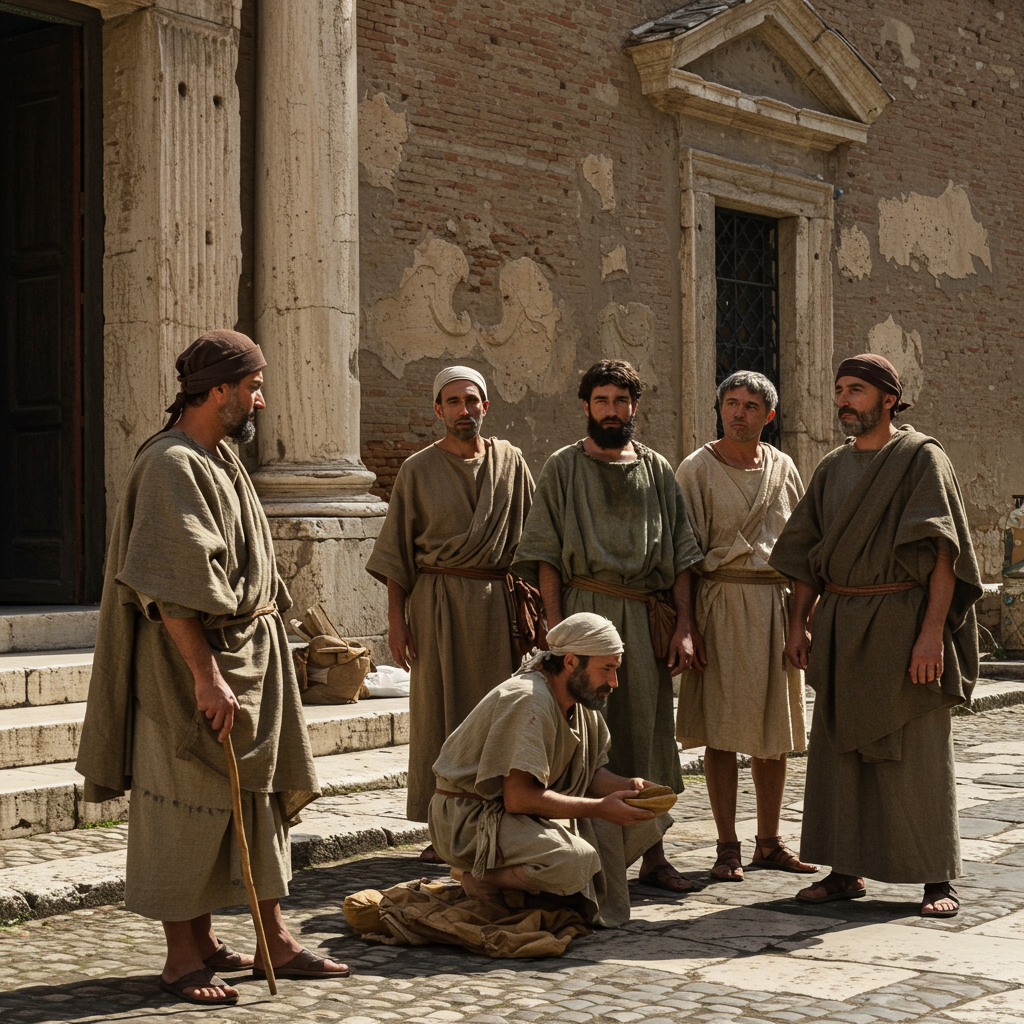
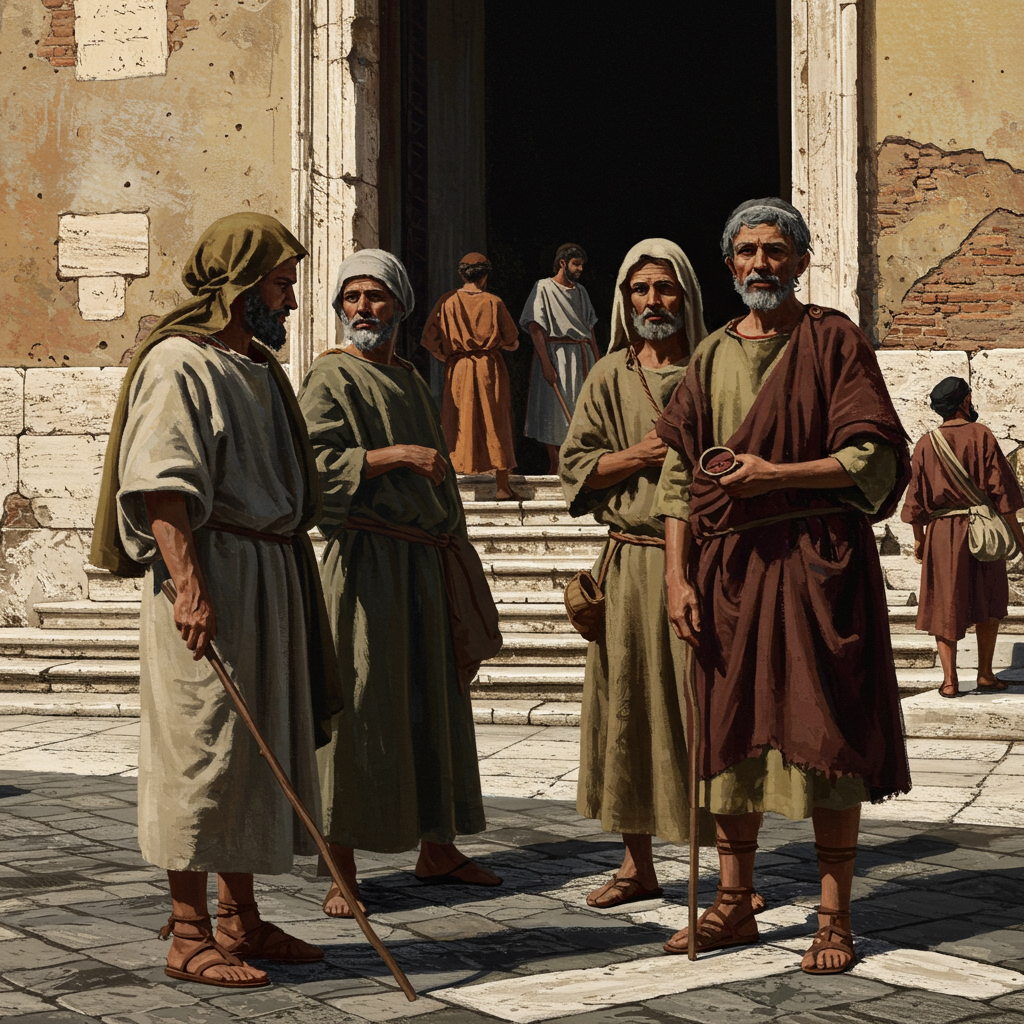
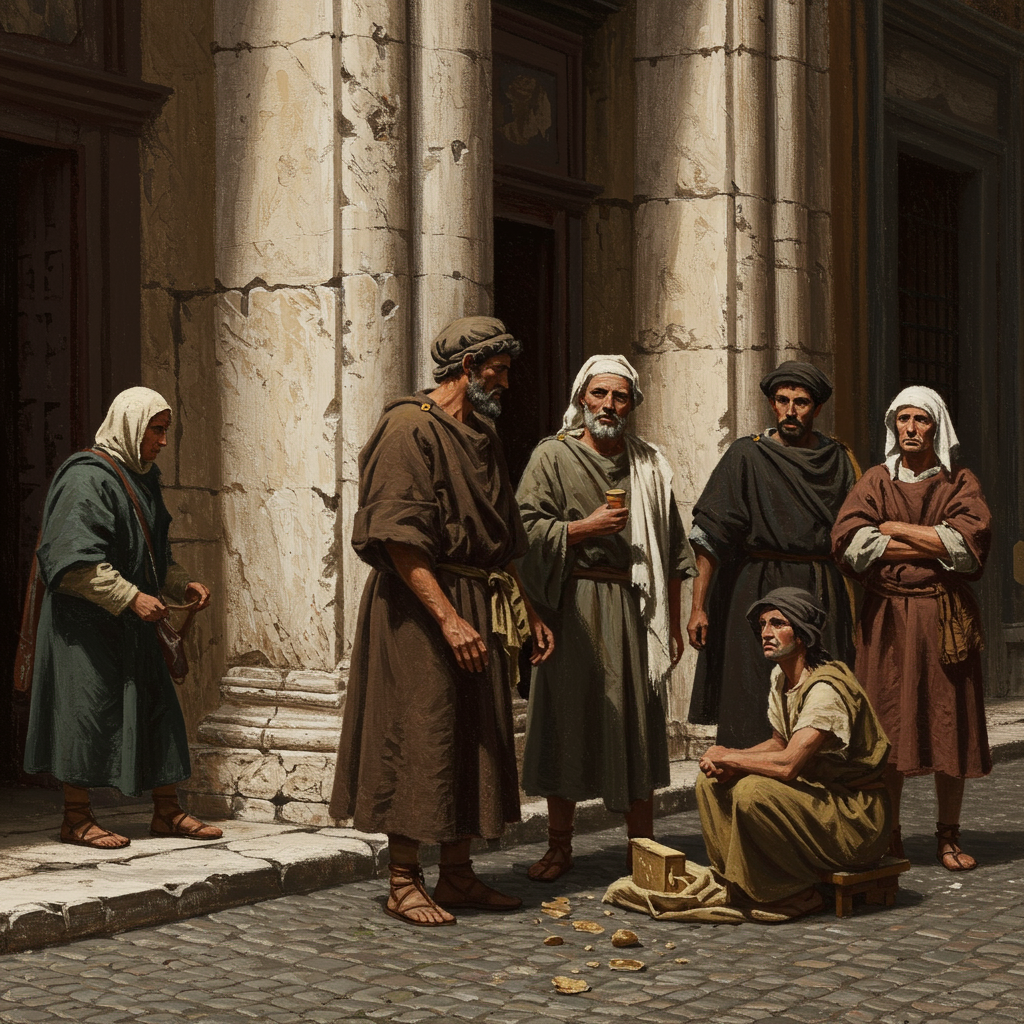
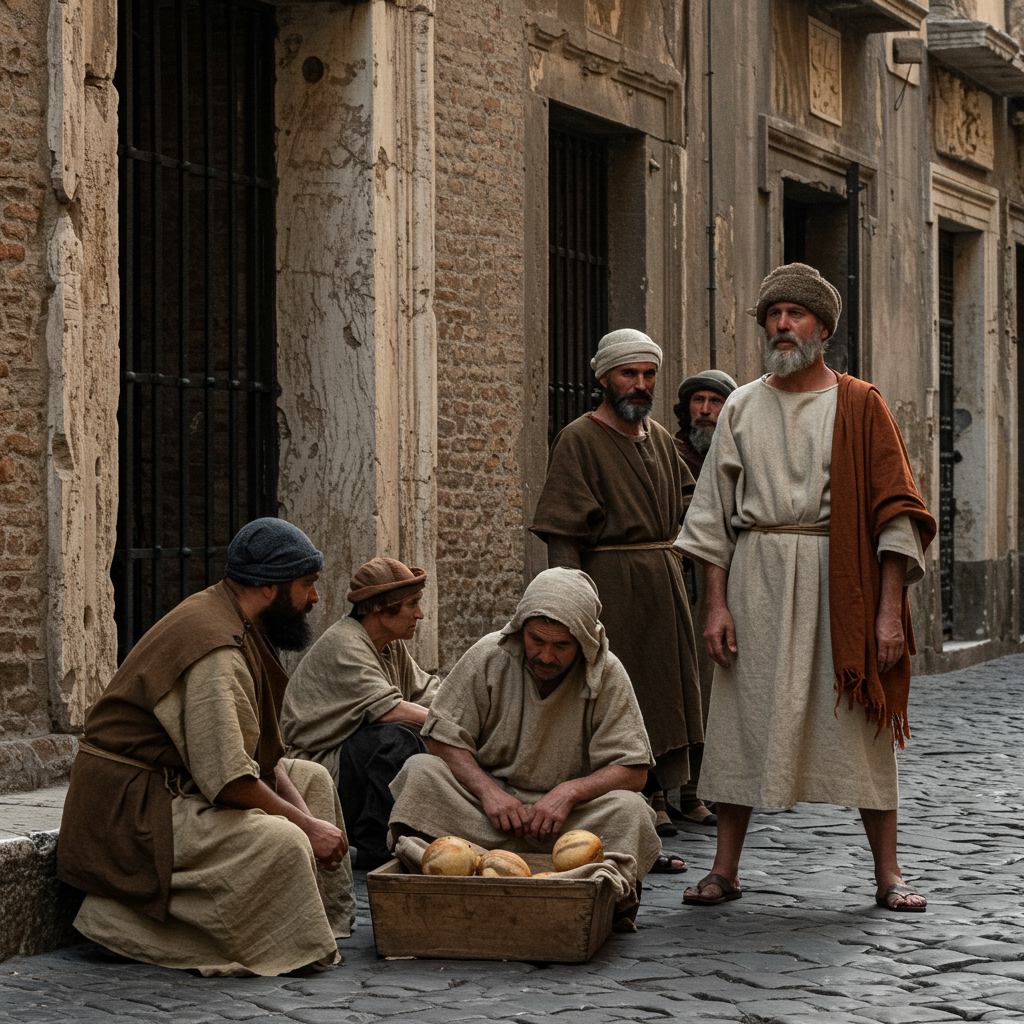
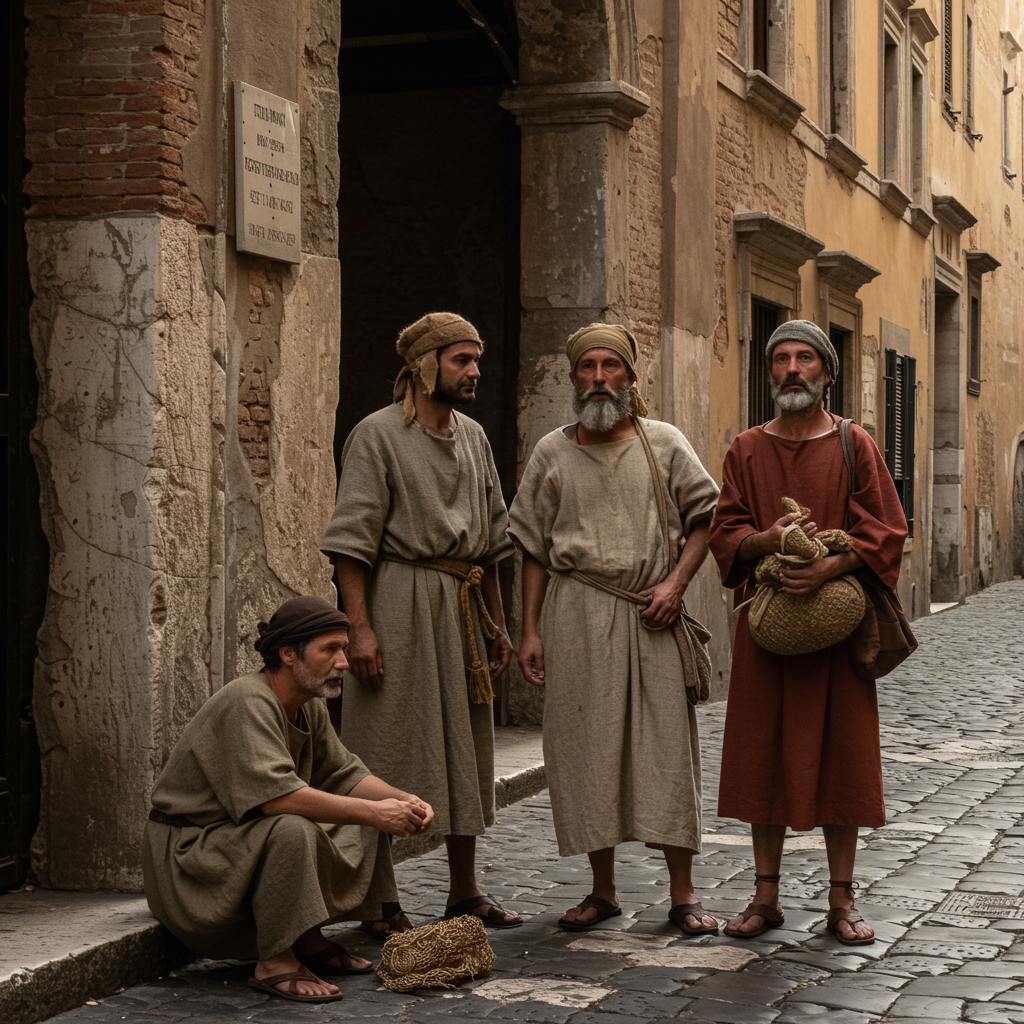
Roman beggars weren't just solitary petitioners! In imperial Rome, entire "competing beggars" existed, fiercely competing for the best spots. This was a shadowy system of "protection" around the Forum Romanum …
Why recommended
- A Documentary short rated 9.7 — easy to watch in 1m.
Watch Options
Description
Roman beggars weren't just solitary petitioners! In imperial Rome, entire "competing beggars" existed, fiercely competing for the best spots. This was a shadowy system of "protection" around the Forum Romanum and wealthy villas.
Criminal "colleges" or influential *lenones* divided the city. They controlled areas, for example, around the steps of the Temple of Jupiter Optimus Maximus or on the Via Appia, driving out outsiders. For "protection," beggars paid part of their daily tax.
If a new vagabond from Gaul tried to secure a spot near the Colosseum or on the crowded Via Sacra, he was quickly "persuaded" to leave. Competition for access to generous patricians often reached the point of physical intimidation for a vantage point.
This didn't fit the image of Roman *patronage*. Here, "protection" was extortion, not charity. For the right to beg at key intersections, like Suburra, beggars paid a regular tribute to their "patrons," who guaranteed a monopoly.
This remarkable organization revealed the dark side of Roman urban life, where even begging became a business. Some "beggar kings," controlling their territories, could earn up to one denarius a day—a significant sum at the time.
Stills
Director
On a palm Studio
Cast
AI Narrator
Movie Details
Tags
Similar Movies

The most expensive product in the supermarket per unit of weight (spoiler: not caviar).
Mexican cuisine

Guinness Book of Records

Spaghetti shouldn't be broken—that's what happens when you fan it out.
Why did kings need a "poison taster" and not just a food taster?

What did a wig plucker do in the 18th century?

Quick test: What vegetable are you today? (Text on screen).
