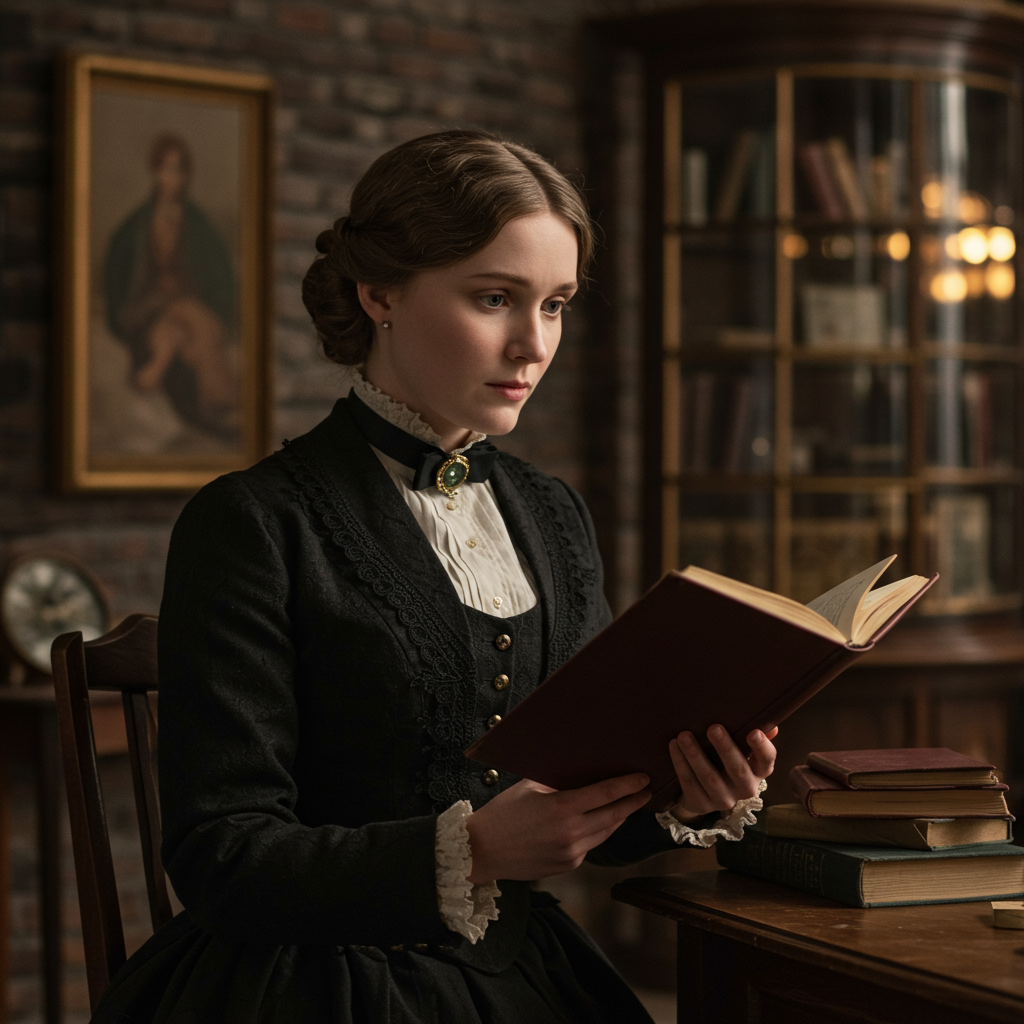
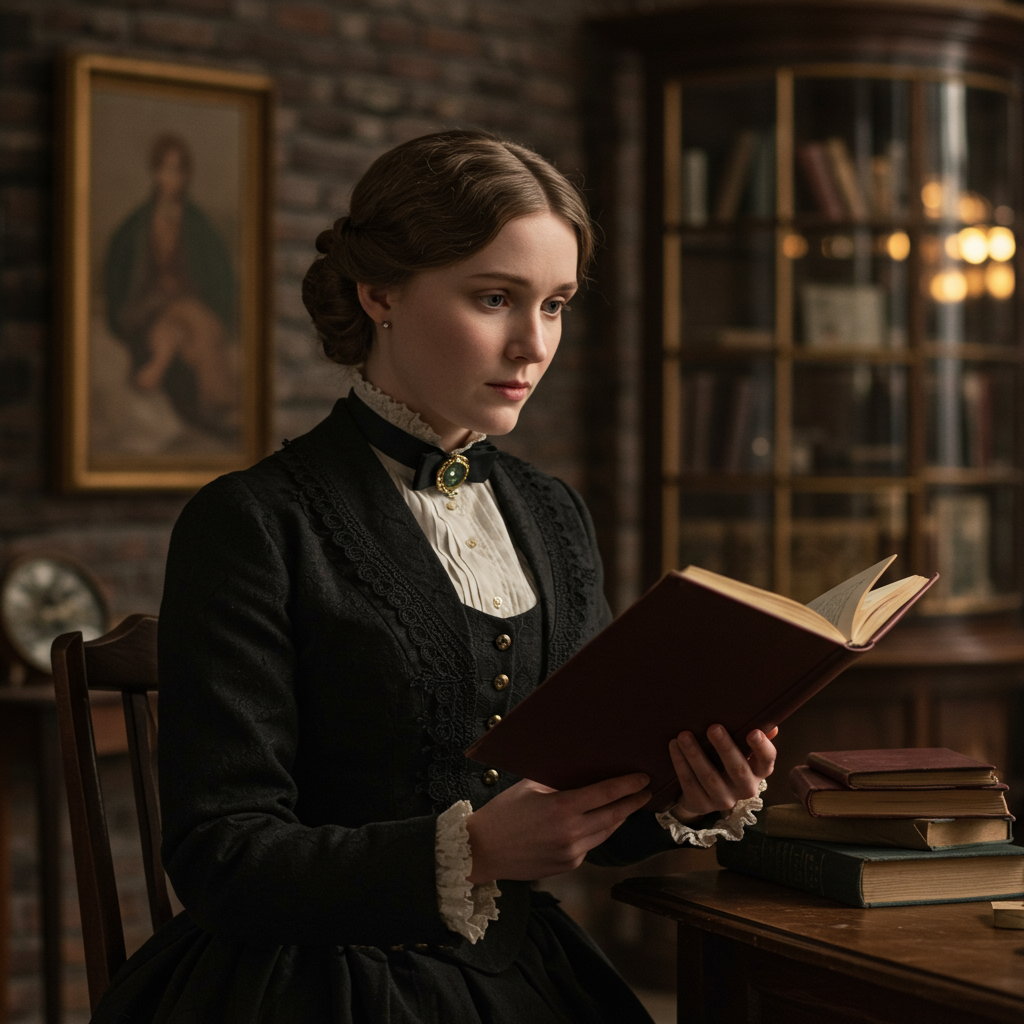
Who was a "lady reader" in the Victorian era?
In the Victorian era, when books were a luxury and audiobooks were centuries away, a unique profession existed: the lady's reader. This was not just a servant, but an educated …
Why recommended
- A Documentary short rated 9.0 — easy to watch in 1m.
Watch Options
Description
In the Victorian era, when books were a luxury and audiobooks were centuries away, a unique profession existed: the lady's reader. This was not just a servant, but an educated companion whose voice filled the aristocratic salons of London and the Home Counties.
These were often impoverished noblewomen or former governesses, such as Elizabeth Wooster, who read Walter Scott and Jane Austen to the Countess of St. John's in the 1870s. Their salaries could be 20-30 pounds sterling per year.
Readers didn't just read aloud; they selected literature and discussed plots. Some, like Marion Crawford, spent up to four hours a day reading Dickens or Thackeray at the Spencer estate in Althorp in the 1880s.
The job was a delicate balance: a reader wasn't a servant, but neither was he an equal. Impeccable pronunciation, a knowledge of etiquette, and the ability to read for hours without tiring—for example, "Jane Eyre" or "Wuthering Heights"—were required.
By the early 20th century, with rising literacy, cheaper books, and the advent of public libraries like St. James's, the profession of reader gradually disappeared, leaving its mark on the history of British aristocratic households.
Director
On a palm Studio
Movie Details
Tags
Similar Movies

The most expensive product in the supermarket per unit of weight (spoiler: not caviar).
Mexican cuisine
Guinness Book of Records
Spaghetti shouldn't be broken—that's what happens when you fan it out.

Why did kings need a "poison taster" and not just a food taster?
What did a wig plucker do in the 18th century?
Who were the "competing beggars" in the Roman Empire (protection racket).