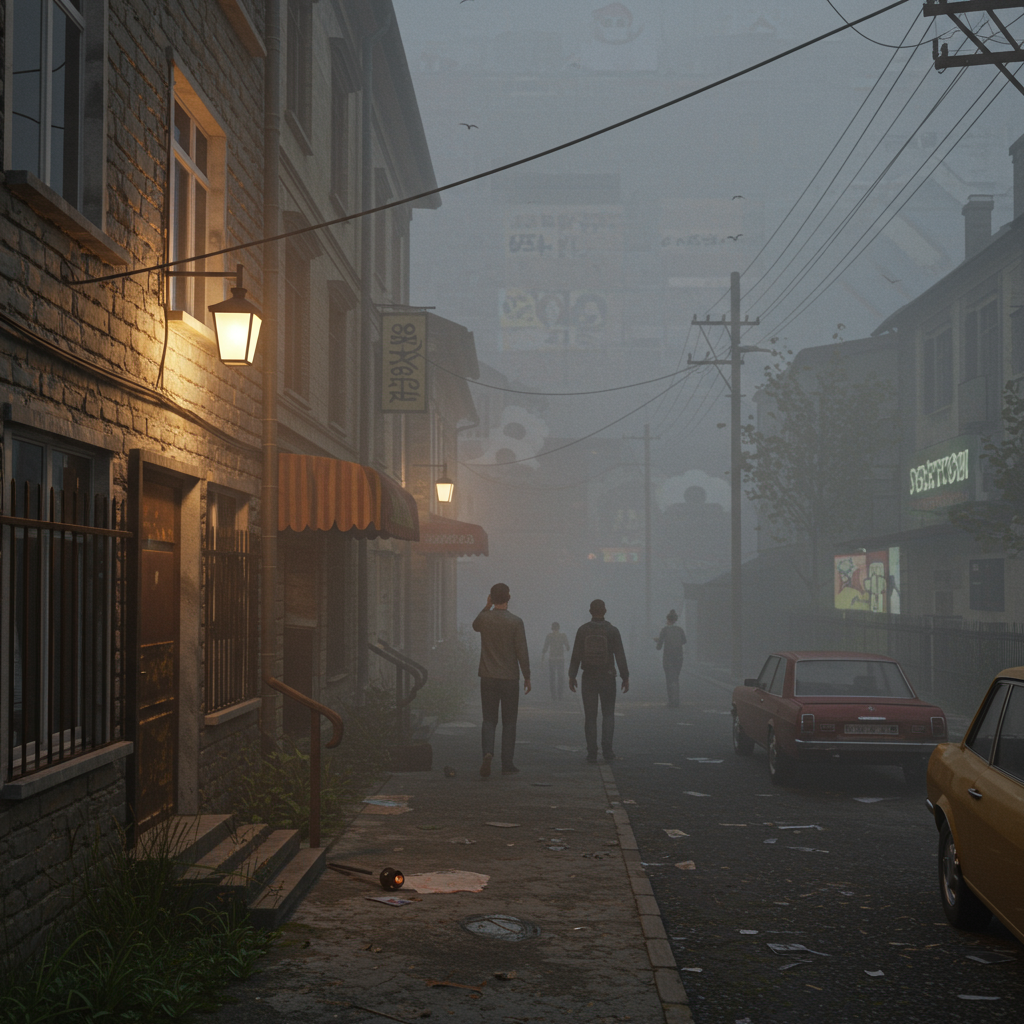
Why were fogs in older games a technical solution rather than an art style?
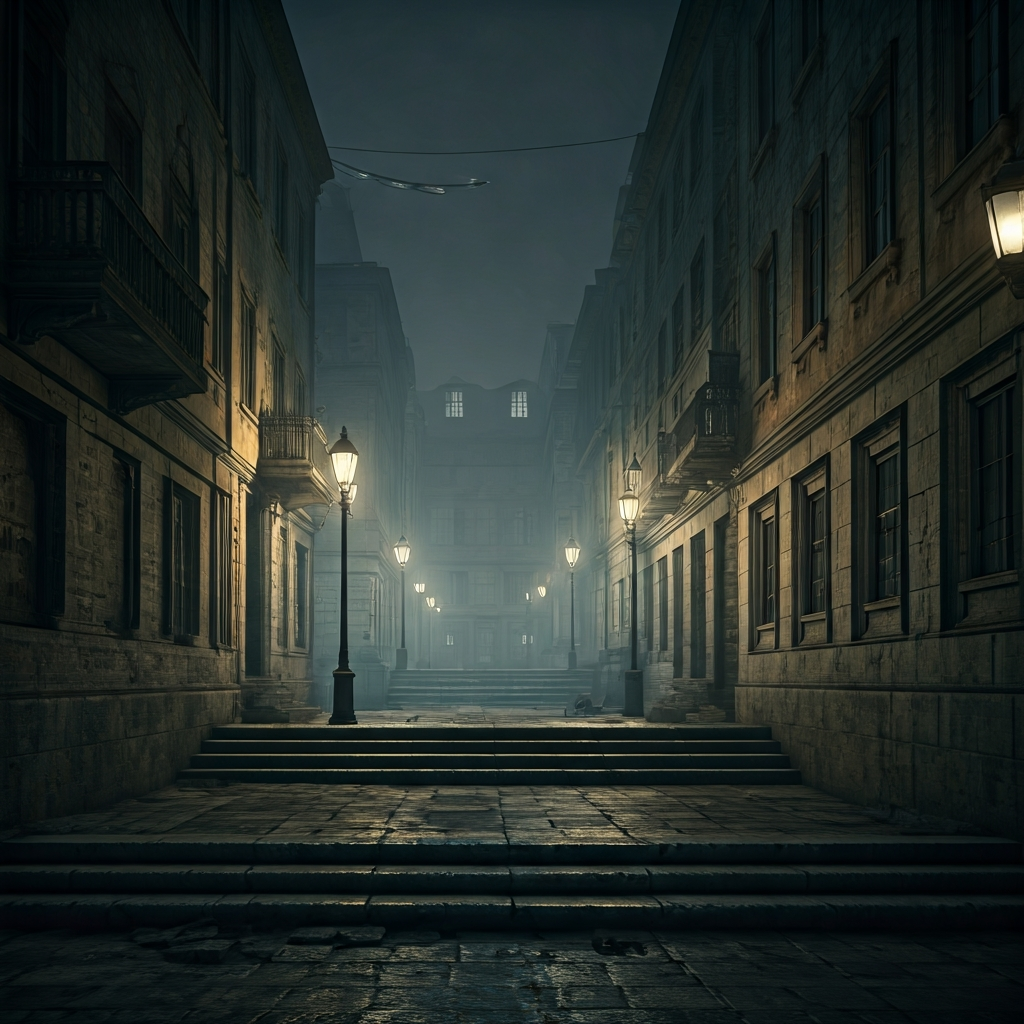
Remember the foggy streets of Silent Hill? It wasn't for the mystical atmosphere! In older 3D games, fog was a necessity, not an artistic choice. Developers used it to hide …
Why recommended
- A Documentary short rated 8.7 — easy to watch in 1m.
Watch Options
Description
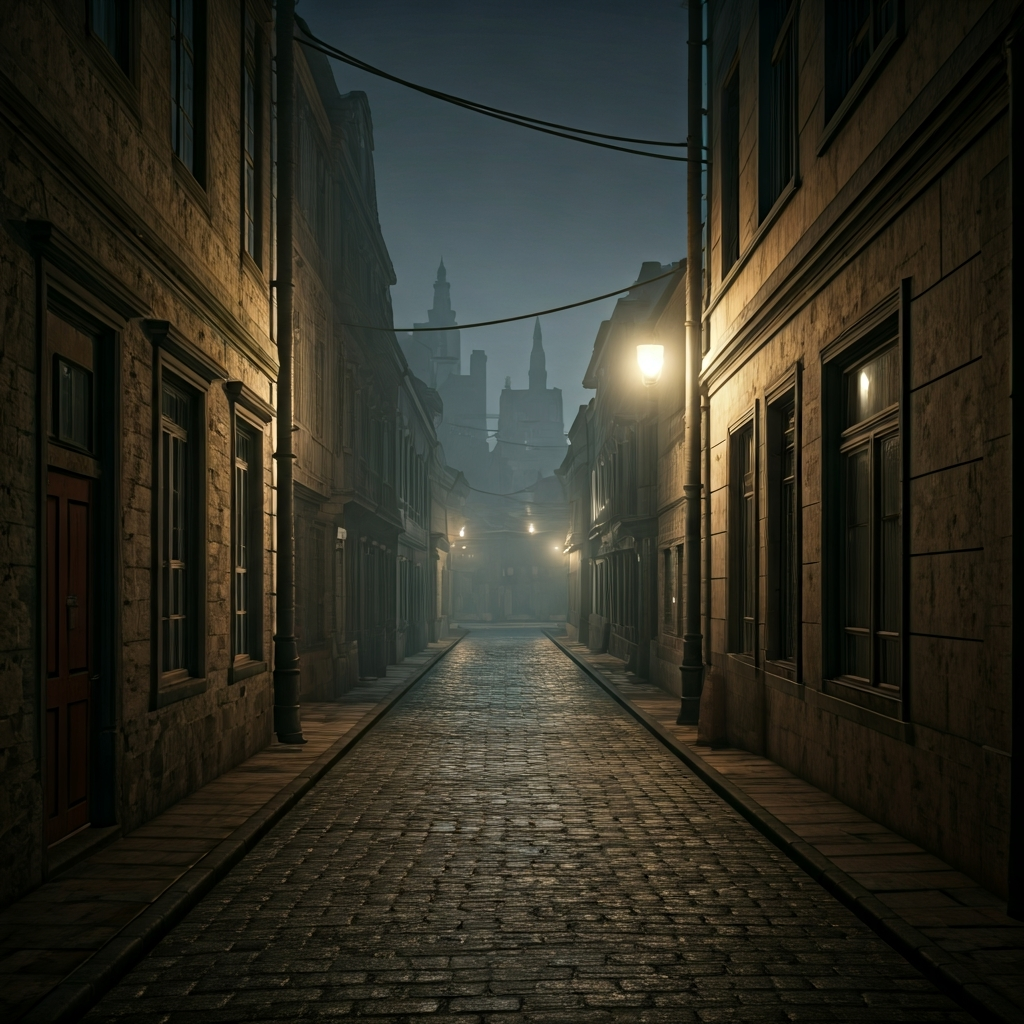
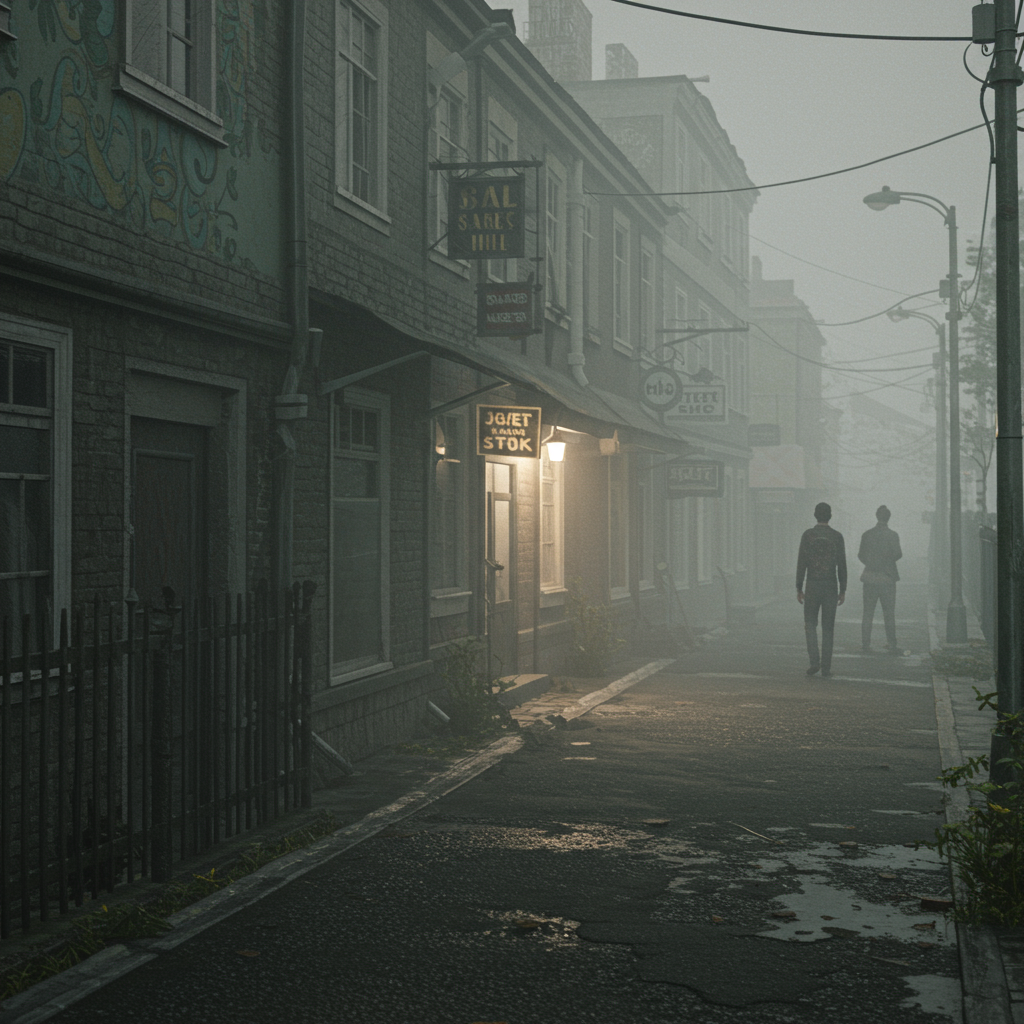
Remember the foggy streets of Silent Hill? It wasn't for the mystical atmosphere! In older 3D games, fog was a necessity, not an artistic choice. Developers used it to hide the hardware's technical limitations.
For example, the PlayStation 1 and Nintendo 64 couldn't render objects at long distances. Their graphics chips, like graphics cards like the NVIDIA Riva 128, had limited capabilities. Fog reduced the "draw distance," reducing the number of polygons on screen.
Remember the thick fog in Turok: Dinosaur Hunter on the N64? It hid the dinosaurs from seemingly nowhere. Super Mario 64 also used it, but more subtly, to conceal the transitions between areas.
The fog also masked "jumping" or "shaking" polygons on the PS1, where numerical precision issues caused visual artifacts at a distance. Silent Hill brilliantly turned this flaw into its calling card.
Today, fog is simply a weather effect or a stylistic device, but back then, it was a lifesaver for developers wanting to create vast 3D worlds on limited hardware. Experience these classic games in a new light!
Stills


Director
On a palm Studio
Cast
AI Narrator
Movie Details
Tags
Similar Movies

What does "Wealth" smell like (household life hacks).
theatre-productions-en

The most expensive product in the supermarket per unit of weight (spoiler: not caviar).

Why do the Finns need a word that means "to sit in the snow by accident?"

Top 7 Phrases You Should Never Say to Children

What happens if you send "" into space? (History).

Sing a song by lips (without sound).