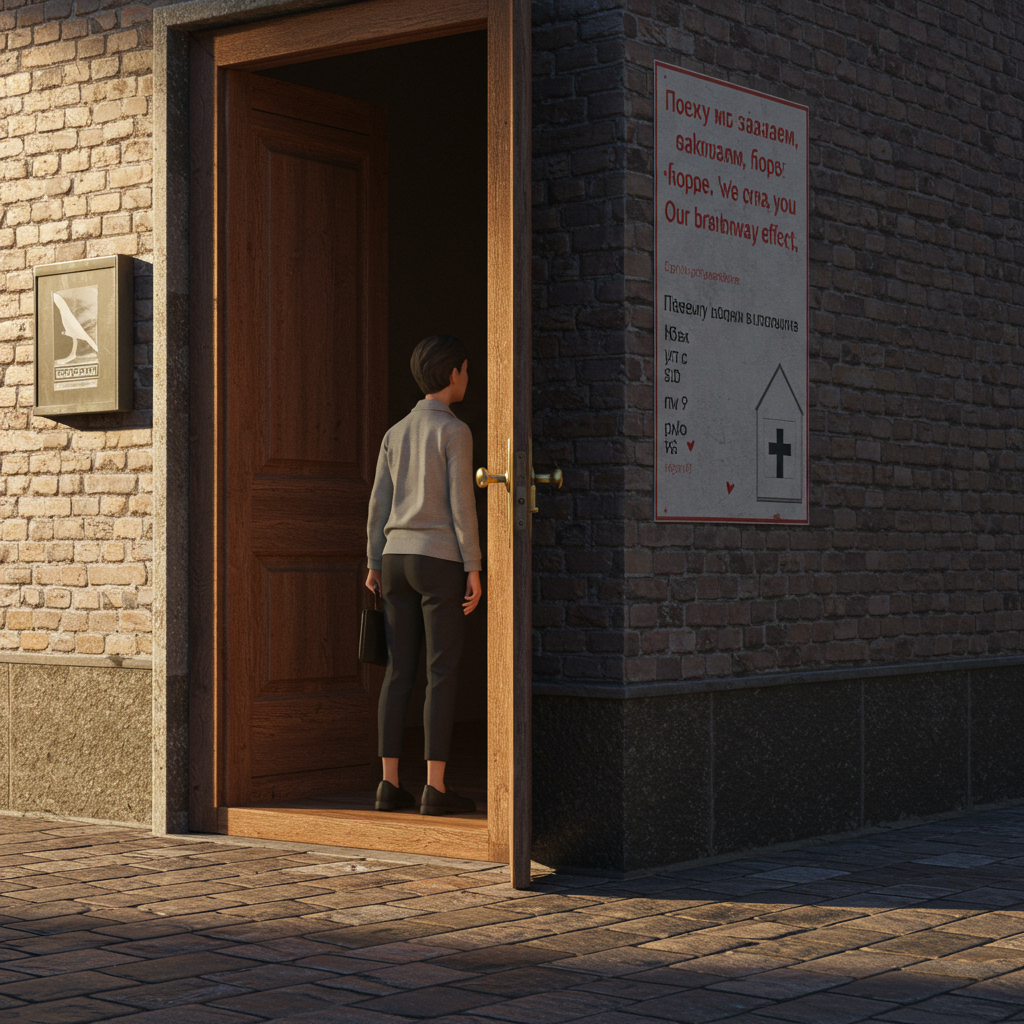
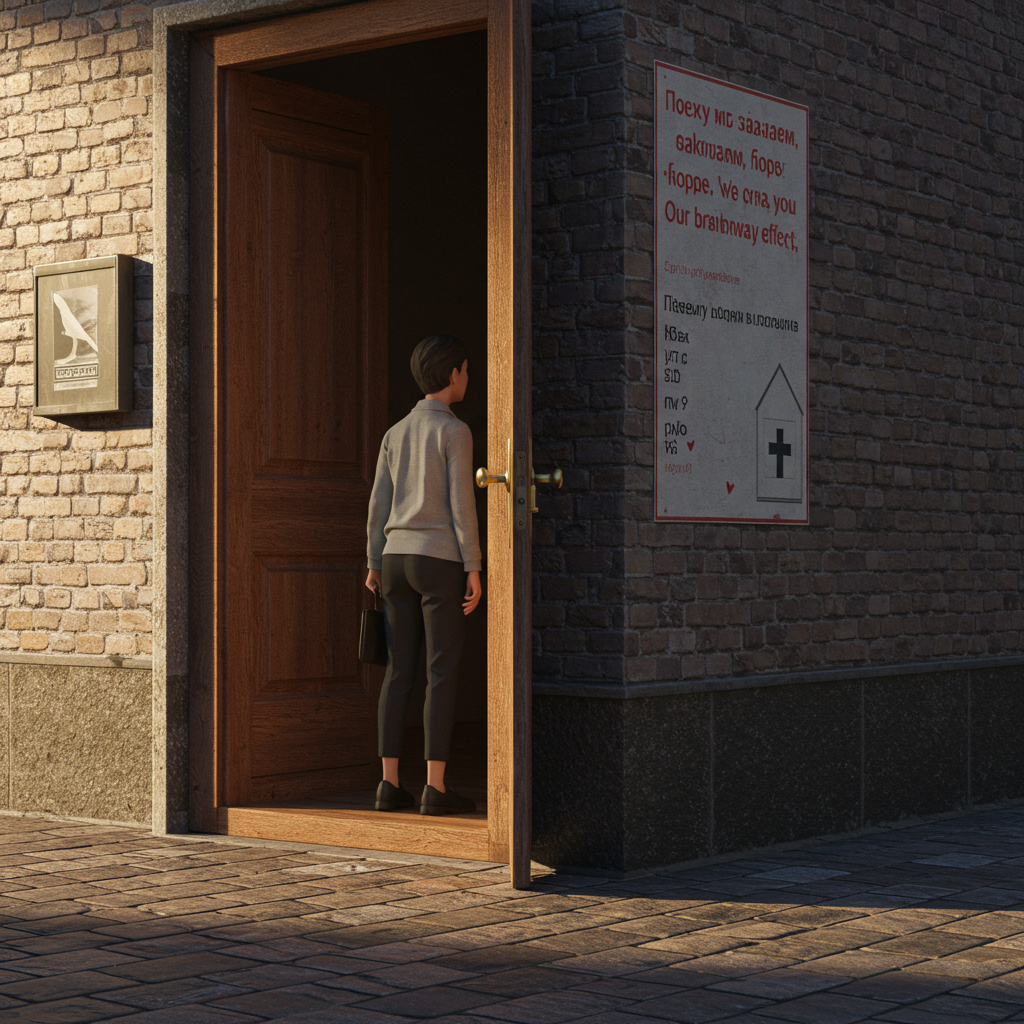
Why do we forget why we entered a room (the doorway effect).
When you walk into a room and suddenly forget why you came, it's not age! It's the well-known "doorway effect." Our brain regularly resets short-term memory when we cross a …
Why recommended
- A Documentary short rated 9.5 — easy to watch in 1m.
Watch Options
Description
When you walk into a room and suddenly forget why you came, it's not age! It's the well-known "doorway effect." Our brain regularly resets short-term memory when we cross a threshold, as if the scene were changing. This intriguing phenomenon was first studied in detail by psychologist Gabriel Radwansky of the University of Notre Dame. In 2011, he conducted a series of fascinating experiments, often using 3D virtual rooms. For example, in one study, participants picked up a virtual object from one table and walked into the next room. After passing through the doorway, they were significantly more likely to forget what they were carrying than if they had remained in the same room. Psychologist Gabriel Radwanski discovered that forgetfulness isn't dependent on distance in a new room, but rather on crossing a threshold. The brain creates "event boundaries" to better organize information, as if closing a chapter. This isn't a sign of poor intelligence or forgetfulness, but rather an effective brain strategy for organizing thoughts. Just know: this is completely normal. If you forget why you entered, take a step back—to the previous "chapter"!
Director
On a palm Studio
Movie Details
Tags
Similar Movies

theatre-productions-en
The most expensive product in the supermarket per unit of weight (spoiler: not caviar).

What does "Wealth" smell like (household life hacks).
Why do the Finns need a word that means "to sit in the snow by accident?"

How to get rid of moths in cereals (bay leaf).
How the brain "reboots" when you stare at one point.

Mexican cuisine